18Nov 2026
What the Jury Sees Before You Speak
Register →
What you wearMatters.Sorry if that’s inconvenient.
Dismissing what women care about — including what they wear — is a mechanism for dismissing women entirely. Fashion psychology is not a soft subject. It is a lens for understanding power, identity, and survival.
MSc Fashion Psychology
Thinkers50 Community
Fast Company · Forbes · WWD · Glamour · GQ
Thinkers50 Summit, London 2025
Fast Company
Forbes
WWD
Glamour
GQ
InStyle
Elle
TODAY.com
Byrdie
The Kit
CNN Underscored
Real Simple
Coveteur
The Kitchn
ELETOM Magazine
Thinkers50
Footwear Plus
Sourcing Journal
Fast Company
Forbes
WWD
Glamour
GQ
InStyle
Elle
TODAY.com
Byrdie
The Kit
CNN Underscored
Real Simple
ELETOM Magazine
Thinkers50
Fashion psychology is not
a lifestyle niche. It’s a discipline.
01
Speaking & Keynotes
From legal CLE programmes to corporate leadership summits, Jennifer brings fashion psychology into rooms that didn’t know they needed it — and leaves them unable to think about appearance the same way again.
Book a Talk02
Writing & Essays
The Style MYND Edit on Substack. Once Upon a Lie — feminist fairy tale deconstructions. The MYND Edit column in ELETOM Magazine. Long-form criticism that takes fashion seriously because it deserves to be.
Read the Work03
Consulting & Coaching
One-to-one coaching for individuals navigating identity, burnout, and reinvention — and brand consulting for organisations building psychological depth into how they show up. Explore these through the Identity and Leadership domains.
Work Together04
Media & Commentary
Quoted in Fast Company, Forbes, WWD, Glamour, GQ, InStyle, Byrdie, The Kit, and TODAY. TV segments across US networks. ELETOM columnist. The go-to voice for fashion psychology that is grounded, rigorous, and quotable.
Press & Media05
The Style MYND Edit
A Substack for people tired of being told their interest in clothing is trivial. Essays on identity, feminist critique, fairy tale logic, and what it means to dress for survival rather than approval.
Read on Substack06
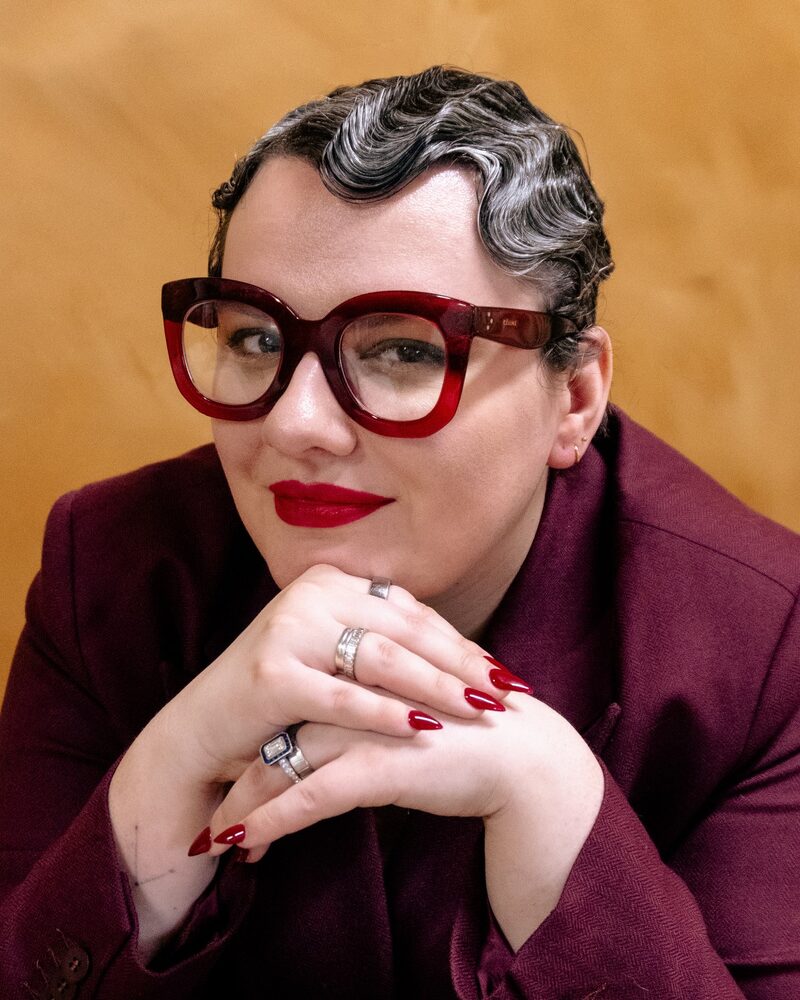
About Jennifer
Fashion psychologist, writer, and speaker based in London & New York City. MSc Fashion Psychology. Thinkers50. London Fashion Week journalist. The sarcastic older sister the industry needed.
Full Biography50+
Media Placements
3
Essay Series
LFW
AW26 Coverage
T50
Thinkers Community
The Style MYND Edit
Essays at the intersection of fashion, psychology, and feminist cultural critique. Free to read. Impossible to unread.
Read on Substack